Comparing Ashford Supermarkets: Weekly Grocery Costs for a Family of Four
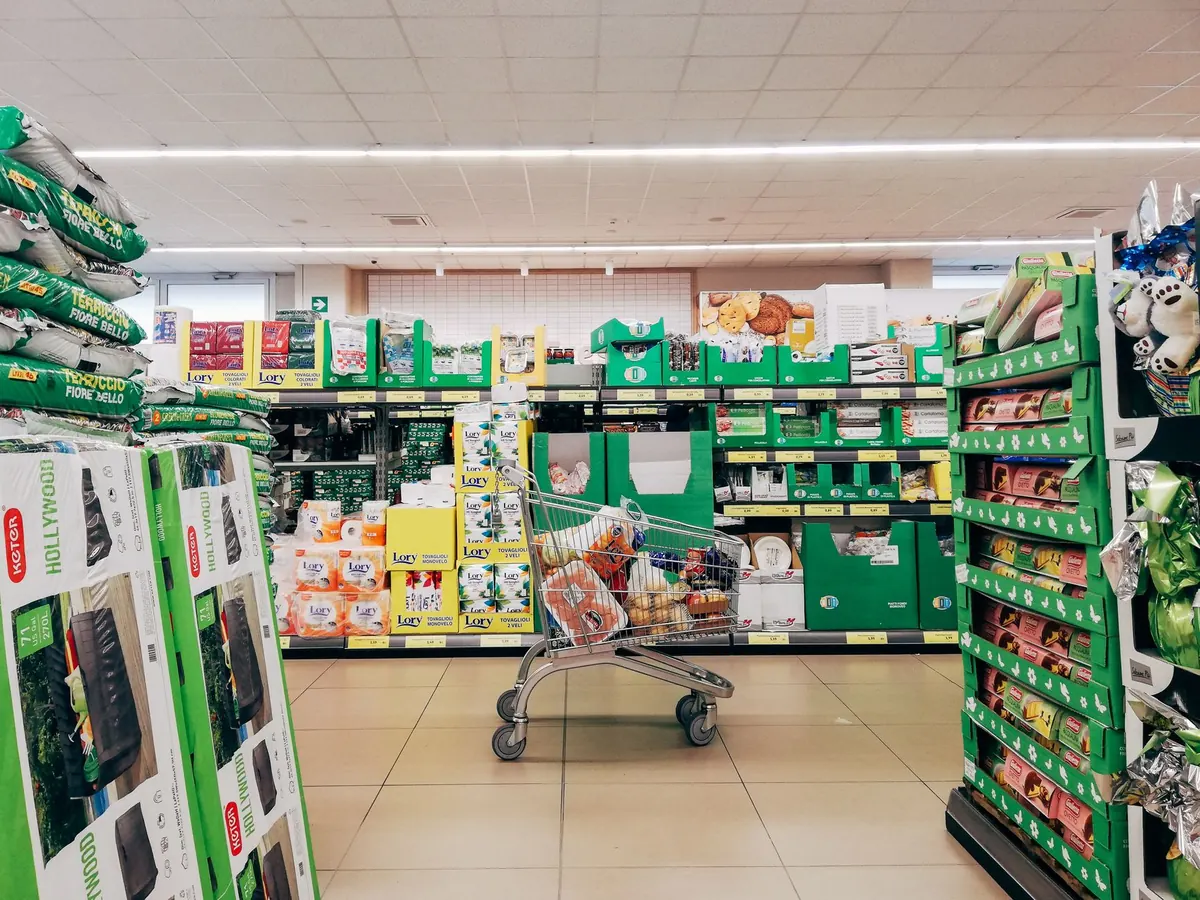
Ashford is unusually well served by supermarkets. Within a couple of miles you can pull into a discounter, a big-four superstore, a premium food hall or a frozen specialist, and the gap between what a family of four spends in each of them is wider than most people expect. The same list — milk, bread, pasta, mince, chicken, cheese, fruit, washing powder — lands in very different places depending on which car park you choose and how carefully you shop once you are inside.
What follows is about patterns rather than a fixed price table. Grocery prices shift constantly, and any figure printed here would be stale within a fortnight. The useful part is knowing which store wins on which kind of shopping, and which habits reliably trim a bill.
Build your own basket before you compare anything
Comparing a handful of headline items tells you almost nothing. A store can be cheapest on milk and dearest on chicken, and the item you check is rarely the one that dominates your bill.
Instead, spend ten minutes writing down the twenty or so lines your household actually buys most weeks, with the pack size you normally pick. Ours would look something like: two litres of semi-skimmed, a large loaf, 1kg of pasta, tinned tomatoes, 500g of mince, a whole chicken, block cheddar, yoghurts, bananas, apples, frozen peas, cereal, tea, washing-up liquid. Then check those same twenty lines in two or three stores over the course of a fortnight.
Two rules keep this honest. First, compare like with like — same weight, same quality tier. Second, ignore the pack price and look at the unit price on the shelf label. That small print is where the real differences hide.
The discounters: strong on staples, thin on choice
Aldi and Lidl are built around own-brand products and a deliberately narrow range. That is why they are competitive: fewer lines means bigger buying volumes and leaner overheads. For a family shop, they tend to do well on the boring, high-volume items — pasta, rice, tinned goods, flour, sugar, butter, milk, eggs, cheese, frozen vegetables, cleaning products and household basics.
Where they fall short is breadth. If a child will only eat one specific brand of cereal, or you need a particular gluten-free range, or you want a wide choice of fresh herbs and unusual cuts of meat, you will not find it. Fresh fruit and veg quality varies by store and by day, so it is worth a quick look before you fill the trolley. The middle aisle is genuinely good value on kitchen kit and garden bits — and genuinely dangerous for a budget, because it is not on your list.
The big four: range, loyalty pricing and one real trap
Tesco
The widest range of the group and the deepest reach across Ashford, from the large store to the small Express formats. Clubcard Prices mean the shelf price and the price you pay can differ, so a shop without the card or app is an expensive shop. Own-brand tiers go from value to finest, which gives you room to trade down on basics and up on the things you notice.
Asda
Generally the most price-led of the big four, with a strong reputation on large packs and family-sized volumes. Good for bulk buying cupboard staples and freezer fillers, and its rewards scheme returns money on the lines you buy repeatedly rather than on a random selection.
Sainsbury's
Sits slightly above Asda on perceived quality, and matches discounter prices on a defined list of everyday staples. That list is the one to watch — if your basket is mostly those items, the gap closes considerably. Nectar prices work the same way as Clubcard Prices: scan or pay more.
Morrisons
The differentiator is fresh. Counters for meat, fish and bakery are useful if you cook from scratch, and the butcher can portion a larger joint how you want it. Its More card scheme applies discounts to selected items, and the fuel and café offers occasionally make a trip worthwhile on their own.
The trap shared by all four is format. A convenience-sized store of the same brand charges noticeably more than the big superstore for the same product. If most of your shopping happens in small top-up trips at a local Express or Local, your weekly spend will be higher than it needs to be regardless of which chain you use.
Premium, frozen and top-up shopping
Waitrose and M&S Food are not where most families do a full weekly shop, and that is fine. They earn their place for specific things: a good piece of fish, a birthday cake, a cheese board, a ready meal for the night nobody wants to cook. Used deliberately, once or twice a month, the premium is small.
At the other end, Iceland and Farmfoods do the freezer well — party food, chips, frozen fish, ice cream, ready meals in family sizes. Buying frozen vegetables instead of fresh for dishes where texture does not matter is one of the simplest savings available, and frozen fruit works perfectly in smoothies and crumbles.
Where they run, the town's market stalls and independent greengrocers can be competitive on seasonal fruit and veg, particularly if you are buying loose rather than pre-packed. Buy what is in season and looks good, not what is on the list.
Eight habits that cut the weekly bill
- Plan meals around offers, not the other way round. Check the app for what is reduced this week, then build three or four dinners from it.
- Read unit prices. A bigger pack is usually cheaper per kilo, but not always. The exception is fresh food you will not eat in time.
- Start with own-brand and trade up only where you notice. Most families find three or four branded items they genuinely prefer and save on everything else.
- Shop once a week and top up once. Every extra trip adds a basket of things that were not on the list.
- Learn your store's reduction routine. Times vary by branch and by day, but late afternoon and early evening are common. Ask a member of staff when the fresh markdowns go on.
- Batch cook and freeze. Mince, stews, curries and soups all reheat well, and cooking once for three meals is cheaper than cooking three times.
- Check loyalty prices before you fill the trolley. Some offers are only worth having if you would have bought the item anyway.
- Keep a no-buy list. Checkout snacks, the middle aisle, and the third bag of oranges nobody asked for.
A workable split for a family of four
Most households that shop well in Ashford do not shop in one place. A pattern that works:
- Main dry goods and household staples at a discounter.
- Fresh meat, fish, bakery and any specific brands at a big-four superstore, using the loyalty app.
- A monthly freezer run for party food, frozen veg and ice cream.
- Market or greengrocer for seasonal fruit and veg when it looks good.
- Premium stores for occasions and treats, not the weekly list.
The saving comes from doing this consistently rather than perfectly. Two good shops a month beats four rushed ones.
Try it for a month, then check the numbers
Keep your receipts for four weeks. At the end, add up what you spent and compare it with the month before. Then revisit your twenty-item basket, because supermarket prices and loyalty offers change often enough that last quarter's answer may no longer be this quarter's.
Small adjustments compound. Buying chicken whole instead of in fillets, cooking double and freezing half, swapping two branded items for own-brand — none of these feel dramatic, but together they move the weekly figure in the right direction without changing how your family eats.
If food costs have become genuinely hard to manage, it is worth talking to someone rather than carrying it alone. Citizens Advice can help with budgeting, benefit checks and debt questions, and Ashford has food support services for households in a tight spot. Asking early is far easier than asking late.
Photo: Christian Naccarato / Pexels