Fashion Alterations in Ashford: How to Get a Better Fit Without Buying New
Most of us own at least one piece of clothing that almost works. A jacket that sits neatly across the shoulders but billows at the waist. Trousers that are right everywhere except the two inches pooling around your shoes. A dress bought in a hurry, in a size that was close enough at the time.
The instinct is to replace it. The better move, more often than not, is to have it adjusted. A good alteration costs a fraction of a new garment, keeps something you already like out of the wardrobe graveyard, and gives you a fit that off-the-peg clothing rarely provides. Ashford has plenty of people who can do this work well. The trick is knowing where to look and what to ask for.
Why a small tweak beats a new purchase
Shop sizing is built around averages, and almost nobody is average. Shoulders, waist, inside leg and rise vary independently, which is why a garment can feel right in one place and wrong in another. Alterations work on the specific garment in front of you rather than a theoretical body.
There is a money argument too. Shortening a hem or taking in a waist is usually a modest cost compared with replacing a decent coat, suit or pair of jeans. The exceptions are structural jobs — shoulders, collars, complicated linings — which can be expensive and are sometimes not worth doing at all.
Where to find alterations in Ashford
You do not need a Savile Row tailor for most jobs. Ashford's options fall into a few rough categories, and it helps to know what each is good at.
Dry cleaners and laundries
Many offer a basic alterations service: trouser hems, zip replacements, minor repairs, sometimes taking in a waistband. Convenient and usually quick, though the person doing the sewing may not be a trained tailor. Fine for straightforward jobs.
Independent tailors and dressmakers
The best route for anything involving shape — jacket waists, lined garments, structured dresses, occasion wear. They will pin the garment on you, discuss what is achievable, and often suggest a better approach than the one you had in mind.
Cobblers, market stalls and sewing services
Shoe repairers frequently handle leather and heavy fabrics, and market or high street sewing services are handy for quick, low-cost jobs. Ask to see examples of their work before handing over anything valuable.
A useful shortcut: ask in local Facebook groups or among neighbours. Recommendations from people with a similar build to yours carry more weight than a window sign.
What to ask before you hand anything over
Most disappointment with alterations comes from unclear expectations rather than poor sewing. Run through this list at the counter or in the fitting room.
- Can you pin it on me while I wear it? A fit judged on a hanger is a guess. Wear the shoes and underwear you will wear with the garment.
- What exactly will you do? "Take it in" is vague. Ask where the seams will move and what the finished measurement will be.
- Is there enough fabric to let it out? Seam allowances are often narrow, so garments can usually be let out only slightly, if at all.
- How long will it take, and what does it cost? Get both confirmed. Wedding and prom season fills diaries, so allow extra time in spring and early summer.
- Will you match the thread and press it afterwards? Visible stitching in a contrast thread ruins the effect, and a proper press makes the difference obvious.
- What happens if it still isn't right? A good tailor expects a second fitting on complex jobs.
How alterations pricing actually works
Quotes vary by garment, fabric and how much fiddling is involved, but the pattern is consistent. Simple, single-line jobs sit at the cheaper end: hems, taking in a waistband, replacing a button or zip. Mid-range work includes taking in side seams, tapering legs and shortening sleeves. The expensive end covers anything that means unpicking a garment and rebuilding it — jacket shoulders, full re-lining, resizing a coat, altering heavily beaded or sequinned fabric.
Fabric matters as much as the job. Silky linings and delicate knits are slower to work with than cotton and wool. So do a rough calculation before you commit: if the quote creeps close to the price of a well-fitting replacement, buy the replacement instead.
The fixes that make the biggest difference
If you only ever have a handful of adjustments done, these are the ones that change how clothes look.
- Trouser hems. The single most transformative job. Get the break right for the shoes you wear most.
- Waist taken in. Usually done at the centre back seam, sometimes with darts. Instantly changes how a skirt or pair of trousers sits.
- Sleeve length on jackets and coats. Half an inch too long makes even a good jacket look borrowed.
- Taking in the body of a jacket or shirt. Removes a boxy shape without touching the shoulders.
- Strap and dart adjustments on dresses. Small changes at the shoulder and bust line fix a lot of gaping and slipping.
- Denim original hem. Keeps the faded, worn edge on jeans so they look factory-finished.
Know when to stop, too. If a jacket's shoulders are wrong, the cost of fixing them rarely makes sense. Knitwear and stretch fabrics are difficult to alter without distorting. Anything that needs to be remade rather than adjusted is probably a return, not a repair.
What you can do at home
Not everything needs a professional. Replacing cheap plastic buttons with better ones takes ten minutes and lifts a blazer or coat. Moving a button slightly can tighten a waist or close a gap. Iron-on hem tape rescues a fallen trouser hem in an emergency, though it will not survive many washes. A steamer and a decent iron improve how almost everything hangs.
Beyond that, be realistic. Sewing machines and patience help, but a wobbly hem on a wool coat is not the place to learn.
Getting the fit right
Start with one garment you love but rarely wear. Take it to a local tailor, have it pinned properly, and see what changes. Once you have found someone in Ashford whose work you trust, keep their number — and pass it on to friends. A good alterations contact turns an awkward wardrobe into one that actually fits, and it costs far less than starting again.
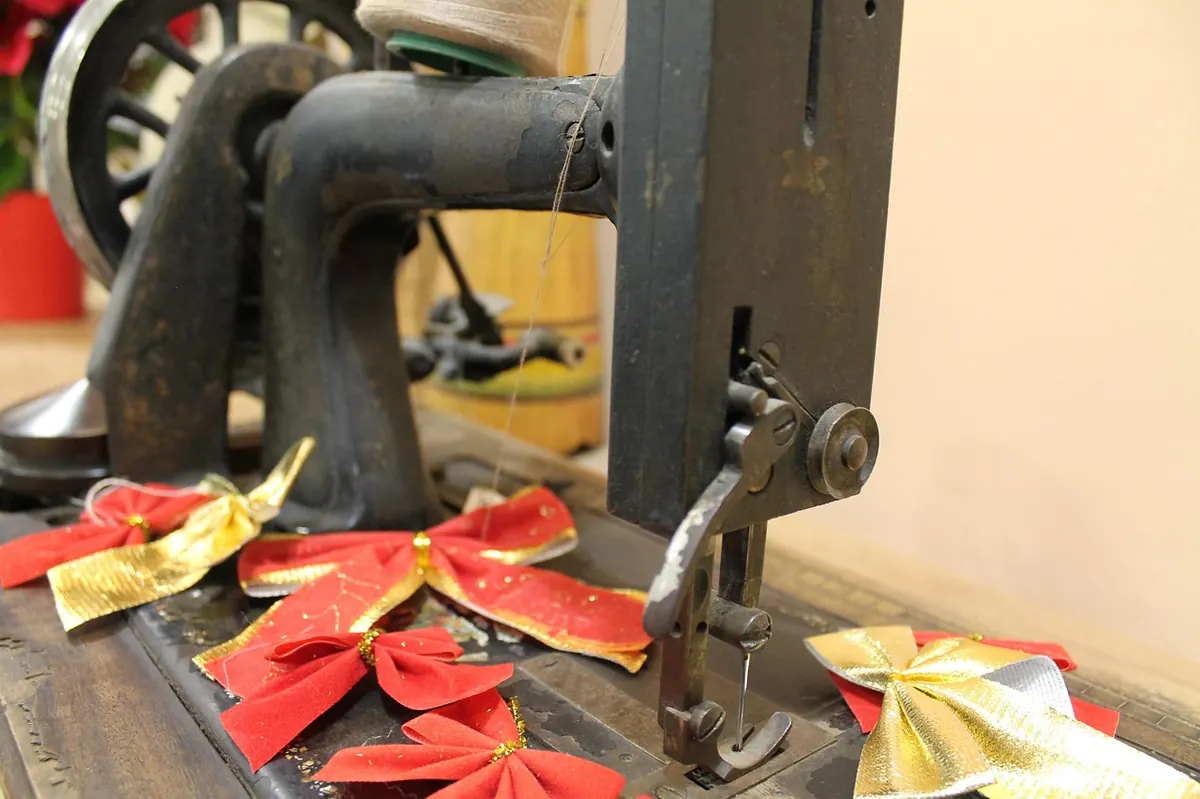
Photo: zwodra / Pixabay